
Therapy for College Students in Asheville, NC and online throughout North Carolina!
- Home
- /
- Therapy for College Students in Asheville, NC and online throughout North Carolina!

Confidential, flexible counseling to help you handle academic pressure, big transitions, and everything in between
College is supposed to be “the best years of your life,” but for many students it also brings stress, loneliness, pressure, and big questions about who you are and where you’re headed. If you’re feeling overwhelmed, stuck, or just not like yourself, you don’t have to figure it out alone. At [Practice Name], our Asheville therapists provide private, judgment-free support for college and university students, with scheduling that fits around classes, work, and campus life.
Why College Students Seek Therapy
Starting or finishing college is one of the biggest transitions of adult life. You may be living away from home for the first time, balancing coursework with a job, managing finances, building new friendships, and making decisions about your future, all at once. It’s normal to struggle with that, and it’s a sign of strength to ask for help.
Many students find that campus counseling centers are helpful but limited by session caps, waitlists, or office hours. Working with a therapist in the community gives you a private space off campus, with the consistency and flexibility to keep going as long as it’s helpful.


What We Help College Students With
Our Asheville therapists support undergraduate, graduate, and community college students experiencing:
- Anxiety, panic attacks, and constant worry
- Academic stress, perfectionism, and fear of failure
- Depression, low motivation, and feeling “stuck”
- Burnout and difficulty managing time or procrastination
- Homesickness, loneliness, and trouble making friends
- Social anxiety and difficulty fitting in
- Relationship concerns, breakups, and roommate or family conflict
- Identity exploration, including LGBTQ+ identity, cultural identity, and first-generation college student experiences
- Imposter syndrome and self-esteem
- Life transitions, including starting college, transferring, graduating, or deciding on a major or career path
- Grief and loss
- Trauma and difficult past experiences (including EMDR therapy)
- OCD and intrusive thoughts (including ERP therapy)
- Stress related to substance use
If you aren’t sure whether what you’re feeling is “bad enough” for therapy, it is. You don’t need to be in crisis to deserve support.
Signs It Might Be Time to Talk to Someone
You might benefit from therapy if you notice:
- Your grades, focus, or attendance are slipping despite your best efforts
- You’re sleeping much more or much less than usual
- You feel anxious, irritable, or down most days
- You’re withdrawing from friends, activities, or classes you used to enjoy
- You’re relying on alcohol, substances, or other habits to cope
- You feel constant pressure to be perfect or fear letting people down
- You’re struggling with a major change, loss, or decision
- You just feel like something is off and want someone in your corner


How Therapy Can Help
Therapy gives you a confidential place to talk openly, understand what’s going on, and build skills that work in real life. Depending on your needs, your therapist may draw on evidence-based approaches such as cognitive behavioral therapy (CBT), mindfulness-based strategies, acceptance and commitment therapy (ACT), DBT, Expressive Arts, EMDR, ERP, and other integrated approaches.
Together, we might work on:
- Managing anxiety and racing thoughts
- Building healthy routines for sleep, study, and self-care
- Setting boundaries in friendships, relationships, and family
- Challenging perfectionism and harsh self-criticism
- Making decisions that reflect your values, not just others’ expectations
- Developing confidence and a stronger sense of identity
Therapy is a collaborative process. You set the goals, and we move at a pace that feels right for you.
What to Expect From Your First Session
Your first session is a conversation, not a test. We’ll talk about what brought you in, what’s been going on in your life, and what you’d like to change. You can share as much or as little as you’re comfortable with. By the end, we’ll discuss a plan that fits your goals, schedule, and budget.
Many students notice early benefits just from having a consistent, supportive space to talk. The length of therapy is different for everyone. Some students come for a few sessions to work through a specific challenge, while others prefer longer-term support. We’ll check in regularly to make sure therapy is working for you.

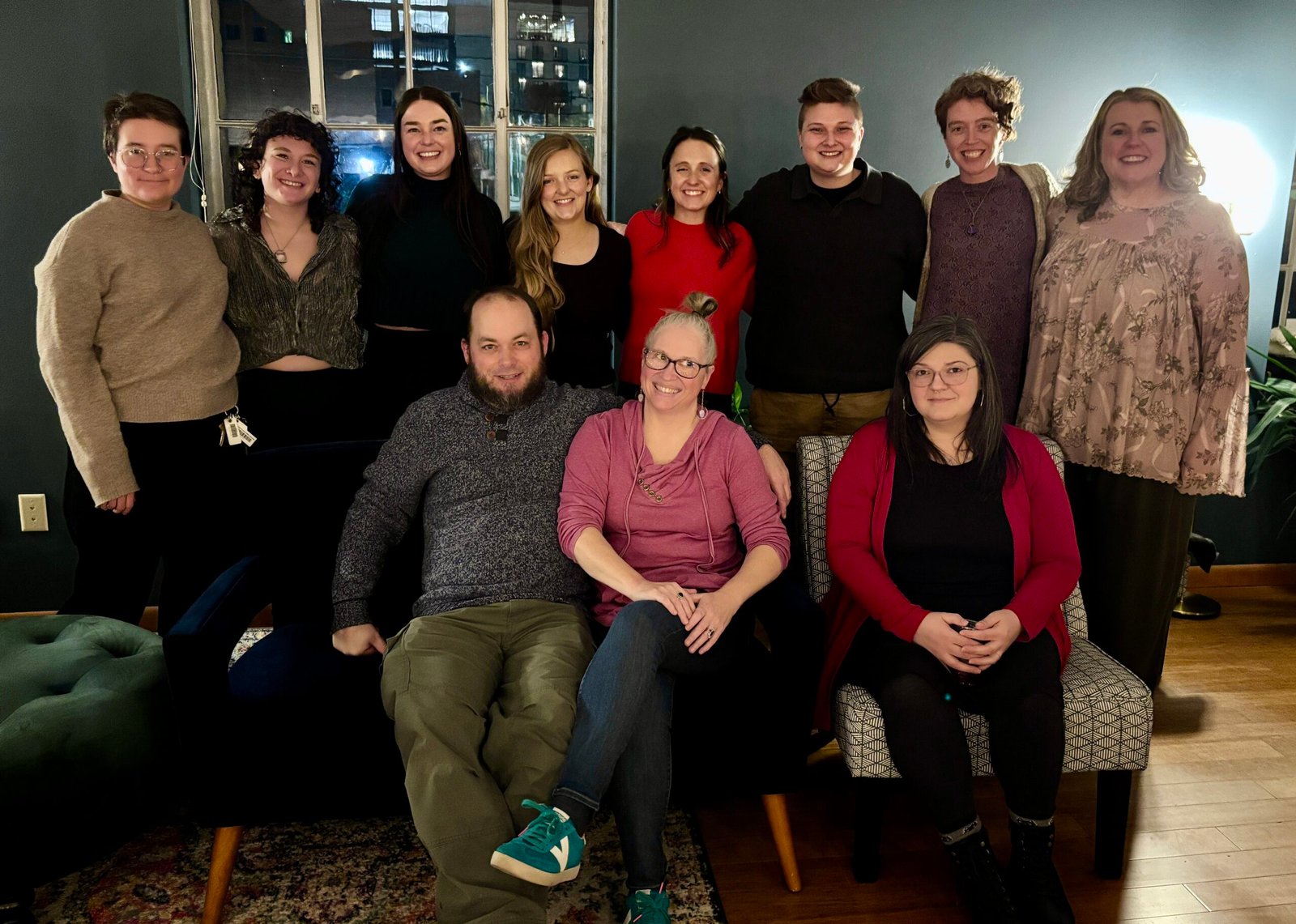
Why Choose Flourish Counseling and Wellness for Therapy as a College Student?
- Experience with young adults: Our therapists understand the pressures and transitions of college life and emerging adulthood.
- Private and confidential: Your sessions are protected by the same confidentiality laws as any other therapy, with limited exceptions we’ll review at your first appointment. Seeing a therapist off campus means your sessions aren’t part of any school record.
- Flexible scheduling: Flourish offers daytime, evening, and weekend sessions.
- No session limits: Unlike many campus counseling centers, we don’t cap the number of sessions you are able to receive.
- Affirming and inclusive care: We welcome students of all backgrounds, identities, and beliefs.
- In-person and online options: Meet at our downtown Asheville office (with free, onsite parking!) or by secure telehealth from your dorm, apartment, or home in North Carolina.
- Easy to get started: We accept Blue Cross Blue Shield, Aetna, Healthy Blue, Amerihealth Caritas, and Carolina Complete (formerly Wellcare) insurance.
Serving Students Across Asheville and Western North Carolina
We work with students attending colleges and universities throughout the region, including UNC Asheville, Warren Wilson College, Montreat College, Asheville-Buncombe Technical Community College (A-B Tech), Mars Hill University, Blue Ridge Community College, and Brevard College, as well as students commuting to or living in the Asheville area while attending school elsewhere.
We welcome clients from Asheville, West Asheville, Biltmore Village, Weaverville, Black Mountain, Swannanoa, Arden, Fletcher, Hendersonville, and the surrounding Buncombe County area. Online therapy is available to students located in North Carolina at the time of the session.
Frequently Asked Questions
Therapy is confidential. We do not share information with your school, professors, or employer without your written permission, except in limited situations required by law, such as imminent safety concerns. We’ll review the details at your first session.
Many students use their own or a parent’s health insurance, and we’re happy to help you understand your benefits. Check out our FAQ page for more information on payment options and contact us with any additional questions about your options.
Absolutely. Many students start therapy unsure of what to say. Your therapist will guide the conversation, and there’s no wrong place to begin.
Ready to Feel More Like Yourself?
You don’t have to wait until things get worse to get support. Reach out today to schedule a free consultation with a therapist in Asheville and take the first step toward feeling more balanced, confident, and in control.