
Expressive Arts Therapy in Asheville, NC and Online in North Carolina!
- Home
- /
- Expressive Arts Therapy in Asheville, NC and Online in North Carolina!
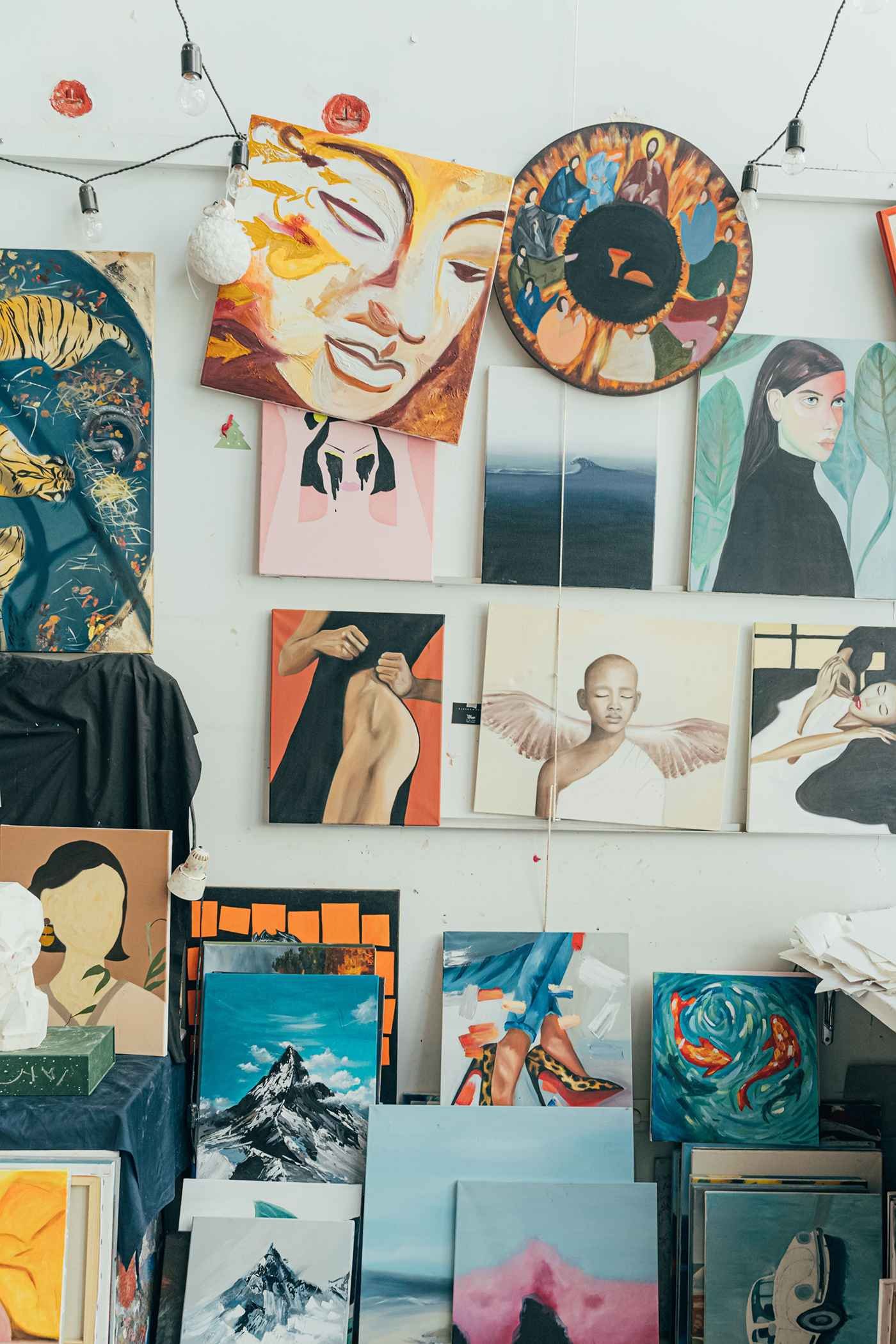
Healing Through Creativity, No Artistic Talent Required
Some experiences are hard to put into words. Whether you’re carrying anxiety, grief, trauma, or a sense of feeling stuck, expressive arts therapy offers another way in. At Flourish Counseling and Wellness, our licensed therapists combine traditional talk therapy with painting, drawing, music, movement, writing, and other creative modalities to help you process emotions, build self-awareness, and move toward lasting change.
You don’t need to be “artistic.” You don’t need any experience. The process matters far more than the product, and there is no right or wrong way to create.
What Is Expressive Arts Therapy?
Expressive arts therapy (also called creative arts therapy or expressive therapy) is an evidence-informed approach that integrates the creative process into psychotherapy. Rather than relying on conversation alone, you and your therapist may explore your inner world through visual art, sound, movement, storytelling, poetry, or imaginative play.
Creative expression engages different parts of the brain than talking does, including the areas involved in emotion, memory, and sensory processing. This is why expressive arts can be especially effective when emotions feel too big, too painful, or too tangled to explain.
Expressive arts therapy may include:
- Art-making: drawing, painting, collage, clay, and mixed media
- Music and sound: songwriting, rhythm, listening, and improvisation
- Movement and body-based practices: gentle, trauma-informed movement and grounding
- Writing and poetry: therapeutic journaling, letter writing, and narrative work
- Drama and storytelling: role-play, metaphor, and externalizing the “story” of a problem
- Mindfulness and imagery: guided visualization paired with creative response

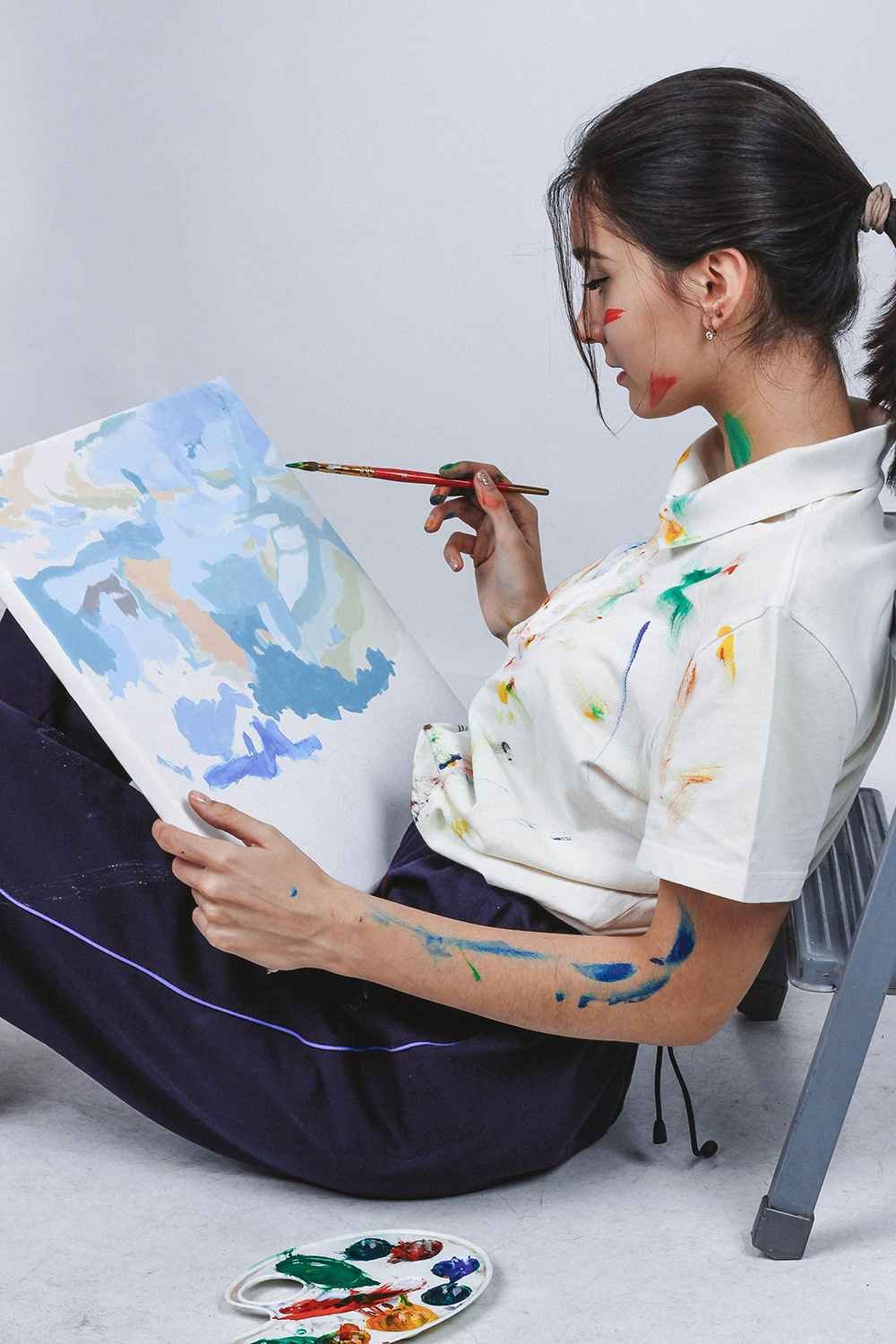
Who Can Benefit From Expressive Arts Therapy?
Expressive arts therapy supports children, teens, adults, couples, and families. It’s a strong fit if you:
- Struggle to put feelings into words
- Have tried talk therapy and want a new approach
- Feel emotionally “numb,” overwhelmed, or disconnected
- Are processing grief, loss, or a major life transition
- Want to reconnect with creativity, play, and self-expression
- Prefer a hands-on, experiential style of healing
It is also a gentle, flexible option for people who feel nervous about traditional therapy.
Concerns We Treat With Expressive Arts Therapy
Anxiety and Stress
Trauma and PTSD
Depression and Low Mood
Grief and Loss
Children and Teens
Self-Esteem, Identity, and Life Transitions

What to Expect in Your First Expressive Arts Therapy Session
- A welcoming conversation. Your therapist will learn about you, your goals, and what’s bringing you in. There’s no pressure to create anything in the first session unless you want to.
- A collaborative plan. Together, you’ll decide which creative approaches feel comfortable and meaningful, from art to music to writing to movement, or a blend.
- Guided creative exploration. Your therapist will invite you to try an activity and will reflect on what emerges with you, not for you. You are always the expert on your own experience.
- Integration and insight. We connect what you discover through creating to your daily life, relationships, and goals.
We provide all art supplies. Sessions are available in person in Asheville and via secure telehealth for clients across NC.
The Benefits of Expressive Arts Therapy
Research suggests that creative arts therapies can help people:
- Reduce symptoms of anxiety, depression, and stress
- Process trauma and difficult memories safely
- Improve emotional regulation and coping skills
- Strengthen self-awareness and self-compassion
- Increase confidence and a sense of agency
- Build healthier communication and relationships
- Reconnect with joy, play, and meaning
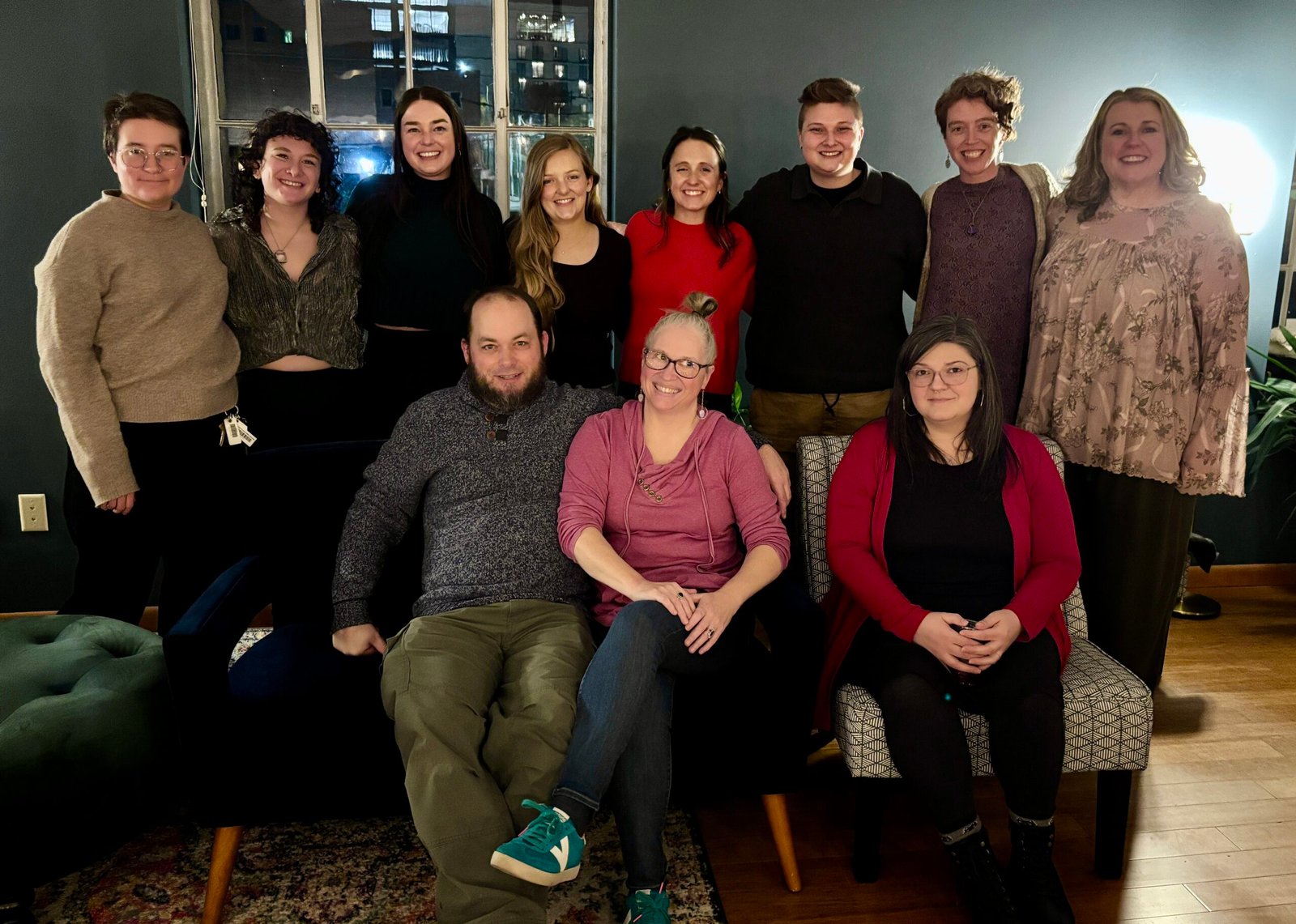
Why Choose Flourish Counseling and Wellness for Expressive Arts Therapy in Asheville, NC?
- Licensed, specially trained clinicians with certification in Expressive Arts Therapy
- Trauma-informed, culturally responsive care that respects your identity, background, and pace
- Judgment-free, inclusive space welcoming to all ages, backgrounds, and abilities
- Flexible options: in-person, telehealth, individual, and group sessions for all ages
- Convenient location: Located in downtown Asheville, NC with free on-site parking or in the comfort of your home via telehealth throughout NC!
Frequently Asked Questions
Not at all. Expressive arts therapy is about the process of expression, not creating something beautiful or “correct.” Your therapist is trained to support you whether you haven’t picked up a crayon in decades or create regularly.
Art therapy focuses primarily on visual art. Expressive arts therapy draws on multiple creative forms, such as art, music, movement, writing, and drama, and may weave them together depending on what supports you best.
Yes. Because it doesn’t require you to verbally recount painful events, many trauma survivors find it a gentler and more manageable path toward healing. Your therapist will use trauma-informed techniques to keep you feeling safe throughout.
Many insurance plans cover psychotherapy provided by licensed clinicians, which can include expressive arts techniques. We recommend contacting us or your insurance provider to verify your benefits. Our clinicians providing Expressive Arts therapy are in network with Blue Cross Blue Shield, Aetna, Healthy Blue, Amerihealth Caritas, and Carolina Complete (formerly Wellcare).
It depends on your goals. Some clients see meaningful progress in a few months, while others benefit from longer-term support. We’ll revisit your goals regularly together.
Yes. Many expressive arts activities translate well to telehealth using simple household materials, digital tools, or supplies we help you gather.
Take the First Step Toward Creative Healing
You don’t have to have the words. You just have to start. Our compassionate team is here to help you explore, express, and heal in a way that feels natural to you.