
Brainspotting
- Home
- /
- Brainspotting
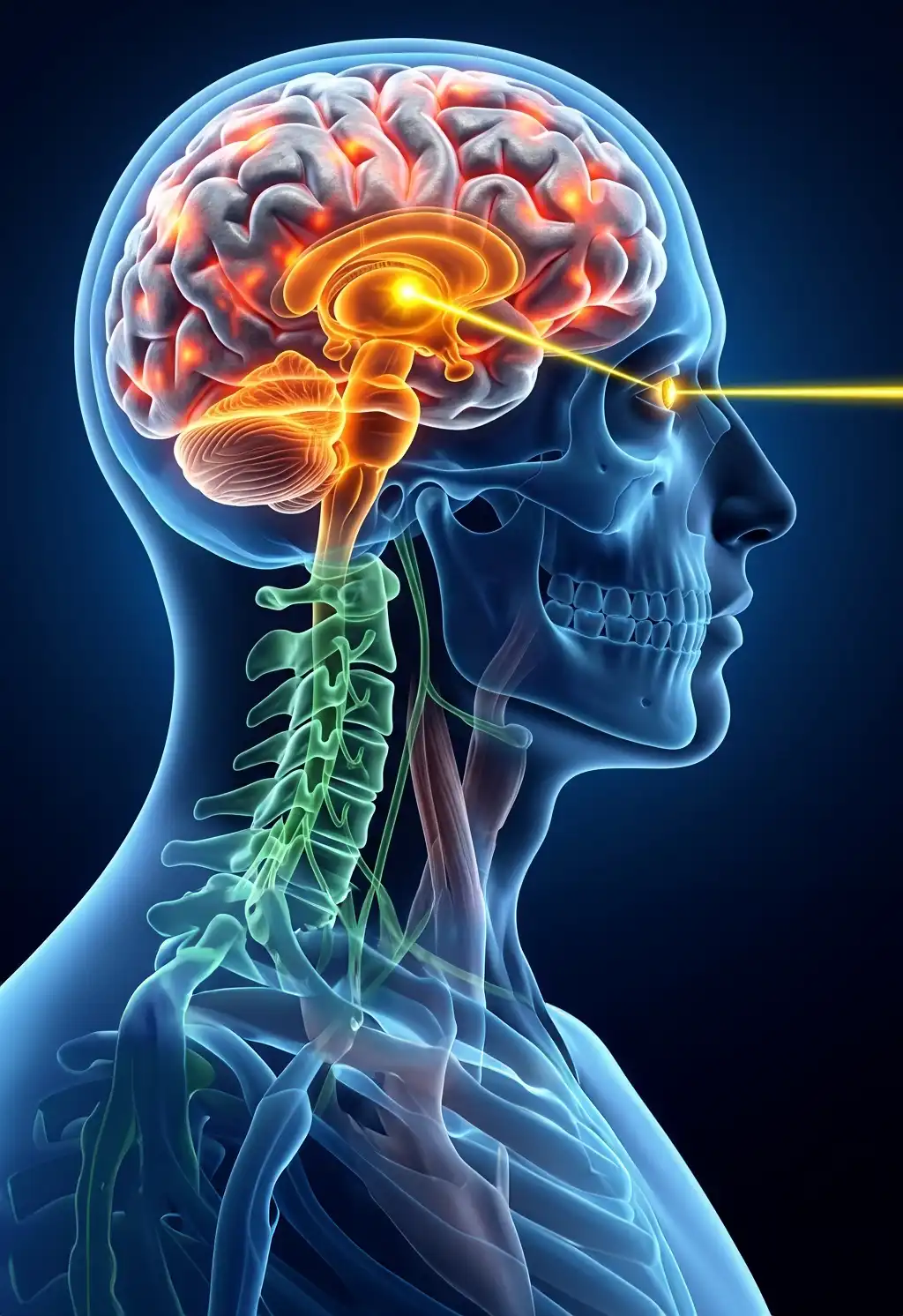
Brainspotting: A Revolutionary Approach to Trauma Treatment
Brainspotting is a focused, body-based psychotherapy that identifies, processes, and releases neurophysiological sources of emotional pain, trauma, and dissociation. By utilizing specific eye positions (called “brainspots”) related to emotional activation, this technique helps the brain process and release stored trauma, aiming to regulate the nervous system.
Brainspotting is a great option for people who:
- Have had one or more traumatic experiences in the lifetime (like being in an accident, being a victim of or witnessing a crime, childhood abuse, or any other event in your life that made you feel scared and out of control)
- Have been feeling “stuck” in a state of fight, flight, or freeze
- Shut down quickly when faced with stressful situations
- Have really big emotional reactions to things that don’t quite make sense … like sometimes “little” things feel more overwhelming than they “should”
- Have tried other approaches to trauma treatment in the past with limited success
The "Where You Look" Principle:
Developed by Dr. David Grand, the “Where you look” principle is based on the premise that where you look affects how you feel. Our eyes are closely connected to our brain through the optic nerve. When we’re deep in thought, we often “stare off” in a certain direction without realizing it … and that is our brain naturally using eye position to process something inside. Brainspotting uses this reflex to access the networks in the brain that hold our emotions related to previous traumatic experiences. By finding a specific eye position, called a brainspot, we can better locate where unresolved survival energy is stored and begin to process and release it.
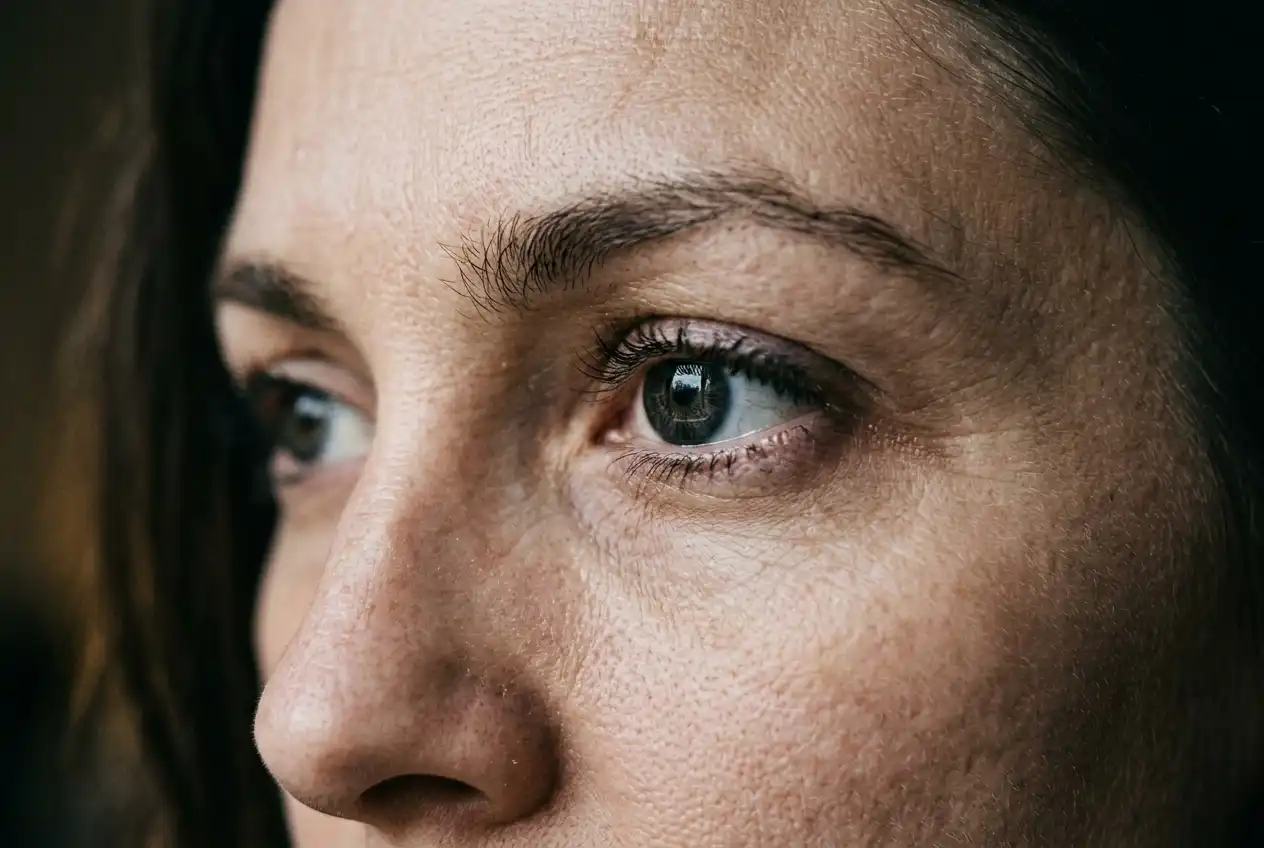

What is a “brainspot” and what happens when we find it?
A brainspot is an eye position that connects to the deeper parts of the brain where trauma and emotions are stored. When you hold your gaze there with guidance from your therapist, the brain starts to process and release the stuck material. This can bring up emotions, body sensations, or memories as the survival energy discharges. After this wave, many people feel calmer, more grounded, and more at peace.
Self-Scanning and Homeostasis
Your brain is constantly quietly scanning your body to keep you in balance, regulating things like breathing, heart rate, and blood pressure. Traumatic experiences activate our “fight or flight” response, which throws this balance off and can unfortunately be reactivated any time we even think about previous traumatic experiences. One of the core parts of the Brainspotting process is locating a brainspot and using this to activate your brain’s natural self-healing ability to bring you back into homeostasis (a state of balance and regulation).
What does a therapist do in Brainspotting sessions?
The first and most important thing for the therapist to do is to provide you with a safe, nonjudgmental, and supportive presence as you begin to work through previous traumatic experiences and difficult emotions. Our brains are naturally wired for connection and feeling securely connected to other humans allows deeper healing to happen. Your therapist will hold space for that before getting started with deeper trauma work.
During Brainspotting sessions, your therapist will start by helping you identify a specific issue or “activation” that you would like to address. The therapist uses a pointer (kind of like a little ball on the end of a stick” to help you find the corresponding “brainspot” in your visual field. You will then hold that gaze while focusing internally on your own bodily sensations and emotions while the therapist provides a supportive, non-intrusive presence, allowing your central nervous system to process the sensations and emotions at your own pace.
During Brainspotting, many clients notice their brain naturally moving through memories, sensations, and emotions — sometimes surprising ones — all while gradually returning to a state of balance.
If you are ready to get started with Brainspotting, or to schedule a consultation call, please reach out to us via phone or email!